Irish Pub NYC Ideas for Meeting Friends in the City

There are easier places to meet friends in New York than an Irish pub, at least on paper. Coffee shops feel simpler. Wine bars look calmer. Hotel lounges promise breathing room and clean upholstery. Yet people keep circling back to the same idea, especially when the group text starts to stall out and nobody wants to overthink it: let’s meet at an Irish pub.
That instinct usually comes from experience. A good Irish pub in NYC solves several social problems at once. It feels familiar without being dull. It can handle a pair of old friends catching up over one round just as well as a loose gathering of eight people arriving in shifts. It is often easier on the wallet than trend-driven cocktail spots, less rigid than a dinner reservation, and warmer than many bars built for speed rather than conversation. When you live in the city long enough, you start to appreciate places that let a night unfold without forcing it.
The trick is that not every Irish pub works the same way. Some are best for after-work pints when Midtown empties into the street at 5:30. Some are ideal for Sunday afternoons when nobody wants a loud scene. Some look inviting from outside but become impossible for a real conversation once the crowd thickens. Meeting friends well in New York is partly about choosing the right neighborhood and partly about reading the room before you commit.
Why Irish pubs work so well for city friendships
New York friendships often run on complicated schedules. One person is coming from downtown, another from Queens, somebody else is leaving an office near Bryant Park, and one late arrival is definitely coming, but only after a train delay and an apology text. That is where the format of an Irish pub helps. The best ones are flexible by design.
There is usually no pressure to commit to a full dinner if people are hungry at different times. Someone can order shepherd’s pie or fish and chips while another person sticks with a beer and fries. The setting feels social even if the group is incomplete for the first 30 minutes. Nobody has to perform sophistication. Nobody has to study a menu like it is an exam. That matters more than many hosts realize.
There is also something about the physical layout. A lot of Irish pubs in NYC still favor long bars, modest tables, dark wood, mirrors, framed photos, and enough ambient noise to keep the room lively without making it hostile. Those details create a forgiving atmosphere. If the conversation dips for a minute, the place carries some of the energy for you. If the gathering grows from three people to six, it usually does not feel like a problem.
I have seen this play out in every stage of city life. Recent graduates use these pubs as neutral territory when nobody has a proper apartment for hosting. Coworkers choose them because no one wants another sterile happy hour venue where the cocktails cost as much as lunch. Parents sneak out for a rare grown-up evening and want somewhere dependable, not precious. Old college friends return to the same style of place because it allows a little nostalgia without trying too hard.
Picking the right neighborhood matters more than the pub itself
When people search for the perfect Irish Pub NYC option, they often focus too much on the venue and not enough on the map. In a city this spread out, convenience is social strategy.
Midtown is practical when the group is meeting right after work. It is not always romantic, but it is useful. If four friends work in different office towers and want one easy landing spot before heading home, Midtown wins on pure logistics. The trade-off is volume. Many Midtown pubs fill up fast, especially on Thursdays and Fridays, and the crowd can turn from cheerful to shoulder-to-shoulder in half an hour.
Flatiron and Gramercy tend to strike a nicer balance for mixed groups. These areas are still accessible, but the pace often feels less frantic than the core of Midtown. You can get an after-work crowd without the same churn. The right pub here can support a conversation that starts with work gossip and drifts into actual life updates.
The West Village and East Village suit groups that want the pub to be part of a longer evening rather than the entire plan. You meet there, settle in, and if the mood changes, you can wander somewhere else for dessert or a late drink. These neighborhoods reward spontaneity. The downside is that smaller pubs can fill quickly, and standing-room-only conditions arrive fast on busy nights.
The Financial District can surprise people, especially earlier in the evening or on weekends. A pub down there may be calmer than its Midtown counterpart, with more room and less competition for every stool. That said, if your group is scattered across Brooklyn, Uptown, and Jersey City, FiDi can suddenly feel less central than it looked on a map.
The lesson is simple. Before debating ambiance, ask where everyone is actually coming from and what time they can realistically arrive. The best pub on earth is still the wrong choice if half the group resents the trip.
What makes a pub good for meeting friends, not just drinking
People often talk about bars as if all social venues are interchangeable. They are not. A pub that works for meeting friends has a specific kind of generosity to it. It welcomes staggered arrivals, different budgets, changing energy levels, and a range of intentions. Some people want two pints and stories. Some want dinner. Some want to sit in a corner and decompress before they become talkative. A solid pub can absorb all of that.
The first sign is seating. Not fancy seating, usable seating. You want booths or tables that allow eye contact without shouting. High-top tables can be fine for a short meetup, but they are less forgiving over two hours, especially if one friend is balancing a winter coat, tote bag, and an order of onion rings while somebody else keeps nudging the table.
The second sign is sound. Many places confuse loudness with energy. The good versions know better. A pub should have life in it, but you should not need to repeat every sentence. If one person in the group has a quieter voice, or if someone is hard of hearing, volume stops being a minor annoyance and starts shaping who gets included in the conversation.
Food also matters, even if nobody plans dinner. A decent pub menu protects the evening. Someone will arrive hungry. Someone else will stay longer than expected. If the kitchen can produce a reliable plate of comfort food, the entire gathering relaxes. It does not have to be ambitious. It does have to be competent.
Then there is service, which can make or break a meetup. Friendly, efficient staff matter because group gatherings are messy by nature. People open separate tabs, merge them again, move seats, ask for water, then forget they asked. In a good pub, that chaos does not feel like a burden to the room.
The best occasions for an Irish pub meetup
Not every social plan benefits from the same setting. Irish pubs in New York shine brightest in certain situations, usually the ones where flexibility matters more than spectacle.
They are especially strong for reunions with old friends. If you have not seen someone in six months, you do not need a tasting menu and a 90-minute turn time. You need a place where the first 20 minutes can be loud and affectionate, where coats can pile up, where laughter does not draw glares from adjacent tables. A pub gives that reunion room to breathe.
They also work well for mixed friend groups who do not all know each other. Restaurants can trap people into stiff seating arrangements. Lounges can create pressure to act cooler than anyone feels. A pub softens introductions. People order, settle in, and ease into the interaction.
For birthdays, they can be ideal if the person celebrating wants attendance more than ceremony. There is a big difference between “meet us anytime after seven” and “be here at exactly seven for a reservation.” One of those respects the reality of city life. The other usually produces apology texts and rising stress.
I have also found that pubs are underrated for low-key celebrations that feel too substantial for coffee but too casual for a full event. A new job, a signed lease, the end of a brutal project, a visiting friend in town for one night. These moments benefit from warmth and ease. They do not need production.
Timing is half the strategy
A mediocre pub at the right hour can be better than a great pub at the wrong one. https://claytonrcmn785.readspirex.com/posts/irish-pub-nyc-tips-for-visitors-exploring-the-city This is one of the quiet truths of social planning in New York.
If your goal is real conversation, aim earlier than your instincts tell you. Meeting at 6:00 p.m. Instead of 7:30 p.m. Often changes everything. You get first access to decent tables, shorter waits at the bar, and enough quiet to hear one another before the room peaks. By the time the second round lands, the pub can fill up around you without ruining the mood.
Weekend afternoons are another sweet spot, especially for friends who no longer enjoy fighting for space on a Saturday night. A late afternoon pint and an early dinner can be one of the best social rhythms in the city. You still get atmosphere, but there is less friction.
Late nights have their place, but they come with trade-offs. If your group wants high energy and does not mind standing, then a packed pub can be fun. If one friend is hoping for an actual catch-up conversation after a rough month, do not make them compete with a full room and a sports broadcast.
One habit I recommend is sending a more specific invitation than “meet at the pub around 7.” Clarity helps. Mention whether you are aiming for food, quick drinks, or a stay-as-long-as-you-like kind of night. Friends make better choices when they know the tone.
How to make the meetup easier for everyone
Hosting in New York is not about grand gestures. It is about removing friction. The person who chooses the pub has more influence over the quality of the evening than most people realize.
A few practical moves help:
- Pick a place within a short walk of a major subway stop.
- Arrive early enough to secure a workable table.
- Text the group a specific landmark or seating detail once you are inside.
- Check whether the kitchen stays open as late as your group tends to linger.
- Have a backup pub nearby in case the first choice is packed.
These are small decisions, but they matter. If you have ever watched six people drift around a crowded entrance texting “I’m by the bar” with no useful context, you know how quickly momentum dies. By contrast, a message like “back left booth under the mirror, navy jacket on the seat” saves everyone five minutes and preserves goodwill.
It also helps to think about who is in the group. If one friend is sober, choose a place with decent nonalcoholic options and enough food to make the evening feel inclusive. If someone is on a tighter budget, avoid spots where even basic drinks are priced like craft-cocktail theater. If a friend is bringing a partner nobody knows yet, favor a pub where the atmosphere supports conversation rather than performance.
Reading the difference between cozy and cramped
Many people say they want a cozy pub. What they often get is a cramped one. The distinction matters.
Cozy means the room feels intimate, warm, and settled. Cramped means every coat hook is full, the walkway is blocked, and your group spends half the evening shifting to let servers through. New York pubs can slide from one state to the other quickly, particularly in winter when everyone arrives layered up and carrying bags.
A few signs help you judge this before committing. Look at the spacing between tables. Listen to how many conversations you can hear distinctly. Check whether the bar crowd is spilling into dining space. Notice whether people seem planted and comfortable or restless and scanning for exits. None of this requires expert knowledge, just a minute of honest observation.
If the place is too tight for your group size, pivot early. Friends are usually happy anywhere as long as the logistics are manageable. They become less happy when they have spent 25 minutes defending a tiny standing corner because nobody wanted to admit the first plan was not working.
Food, drinks, and the social math of staying longer
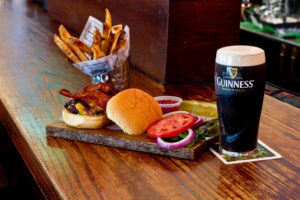
One reason an Irish pub in NYC often outperforms trendier venues is the menu. Pubs understand the relationship between food and time. A basket of fries, a plate of wings, a burger, a bowl of stew, these are not just menu items. They are pacing tools. They turn one round into two, keep people comfortable, and prevent the sharp drop in energy that hits when everyone is drinking on empty stomachs.
This does not mean the group needs to order heavily. Sometimes the smartest move is a light first order while people arrive, then a shared decision later about whether the table wants to stay and eat. Pub food gives you that option. It is less ceremonial than restaurant dining and more satisfying than bar snacks disguised as dinner.
Drinks follow similar logic. Beer and cider are naturally social because they are easier to order, easier to repeat, and usually less disruptive to the group budget than a complicated cocktail list. That predictability helps when friends have different spending limits. A place where someone can comfortably nurse one drink while another person orders food and a second pint is often the place that keeps the group together the longest.
When a pub is the wrong choice
There are limits, and it is useful to name them. If the purpose of the gathering is confidential, emotionally heavy, or deeply one-on-one, a crowded pub may be too public. If someone needs quiet to share something difficult, choose differently. Comfort should not come at the expense of privacy.
The same goes for large milestone events with many moving parts. If you are trying to gather 15 people for a surprise birthday and half of them are unreliable with timing, a pub can work only if you understand the room and possibly reserve space in advance where that is offered. Otherwise, what sounds easy becomes a seating crisis by 8:00 p.m.
There are also friend groups that simply prefer another format. Some people want natural wine and small plates. Some want karaoke. Some want a park in warm weather and a diner in cold weather. The point is not that the pub is universally best. The point is that it remains one of the city’s most durable answers for a reason.
The subtle etiquette that keeps the night smooth
Meeting friends in a pub is casual, but casual plans still benefit from good manners. The social basics are not complicated. Show up close to when you said you would. If you are running late, say how late. If the group grabbed a table, order something sooner rather than later. If others are still arriving, avoid spreading coats and bags across every open chair as if the whole room were reserved.
There is also a certain generosity that good pub nights tend to inspire. People buy a round sometimes, split appetizers without keeping forensic score, and make room for the friend who had the rough commute and arrives flustered. This spirit is part of why these places endure. They support sociability instead of turning every interaction into a transaction.
One practical note from experience: if the pub is clearly slammed, help the staff help you. Keep orders concise. Know what you want when you reach the bar. If someone in your group is indecisive, let them step aside rather than freezing the line. Small courtesies shape the atmosphere more than people think.
A few signs you found a pub worth returning to
The best Irish pub NYC regulars swear by usually earns that loyalty through repetition, not novelty. It is the place that keeps delivering a solid night without requiring effort from anyone involved.
Here is what return-worthy usually looks like:
- You can hear your friends without straining.
- The staff handle groups calmly and efficiently.
- There is enough food substance to extend the evening.
- Getting there is easy for most of the group.
- The room feels lively without pushing you out the door.
That final point is important. Some venues are engineered for turnover. Others are built for lingering. If your friendships depend on actual conversation, choose the second kind whenever possible.
Why the format keeps surviving in a city that changes so fast
New York is always refreshing itself. Restaurants rise and vanish. Bars chase trends. Neighborhoods reinvent their reputations every few years. Through all of that, the Irish pub persists because it answers a stable human need. People want places where they can meet without ceremony, settle in without pressure, and feel part of a room that is alive but not demanding.
That may be the clearest reason this style of venue remains useful for friendship in the city. It asks relatively little and gives quite a lot. A decent seat, a steady pour, food that comforts rather than challenges, and a room that makes people feel less alone for a couple of hours. In New York, that combination is not old-fashioned. It is practical.
If you are trying to see friends more often, start by making it easier. Pick a neighborhood that respects everyone’s commute. Choose a pub that values conversation over chaos. Arrive a little early. Send one clear text. Order something warm if the weather is bad and something salty if people came straight from work. Then let the place do what good pubs have always done, turn separate lives moving at city speed into the temporary pleasure of a shared table.
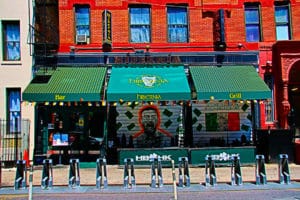
Hibernia Bar
401 W 50th St
New York, NY 10019, United States
Phone: +1 212-969-9703
FAQ About Irish Pub NYC
What is the best Irish pub in NYC?
The best choice depends on your location and preferred atmosphere. Hibernia Bar is a neighborhood Irish pub in Hell's Kitchen offering Guinness, Irish whiskey, pub food, and sports viewing.
Where do Irish people go in NYC?
New York's Irish community gathers in many neighborhoods and venues. Hibernia Bar welcomes Irish expats, local residents, and visitors at 401 W 50th St, just off Ninth Avenue.
Where can I watch GAA games in New York?
Hibernia Bar lists GAA among the sports it shows. Call +1 212-969-9703 to confirm coverage and opening times for a particular match before visiting.
What is the difference between a bar and a sports bar?
A sports bar emphasizes televised games and a shared viewing atmosphere. Hibernia combines sports viewing with the food, drinks, and hospitality of a neighborhood Irish pub.