Bar NYC Events That Turn Ordinary Nights Into Memories
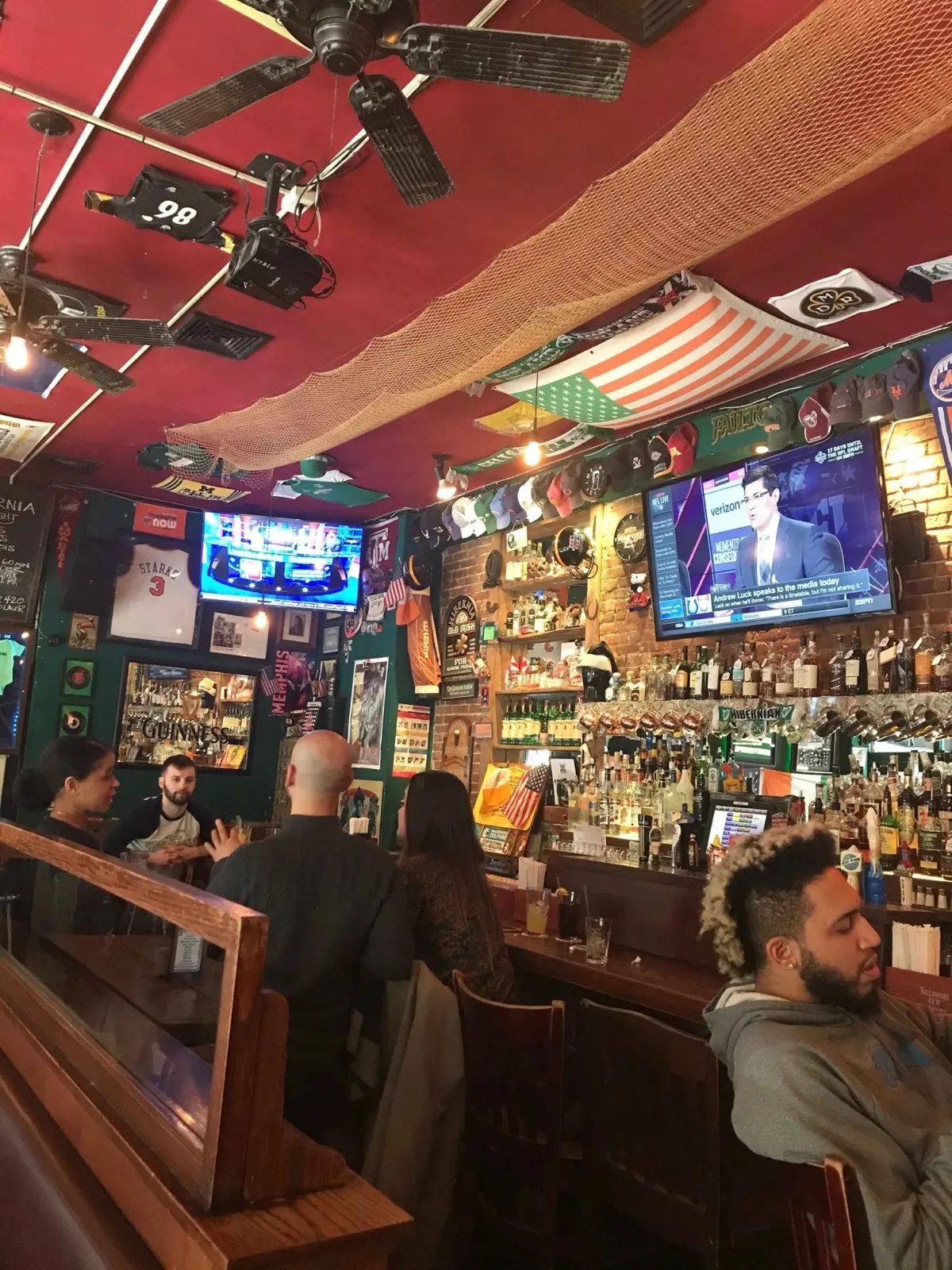
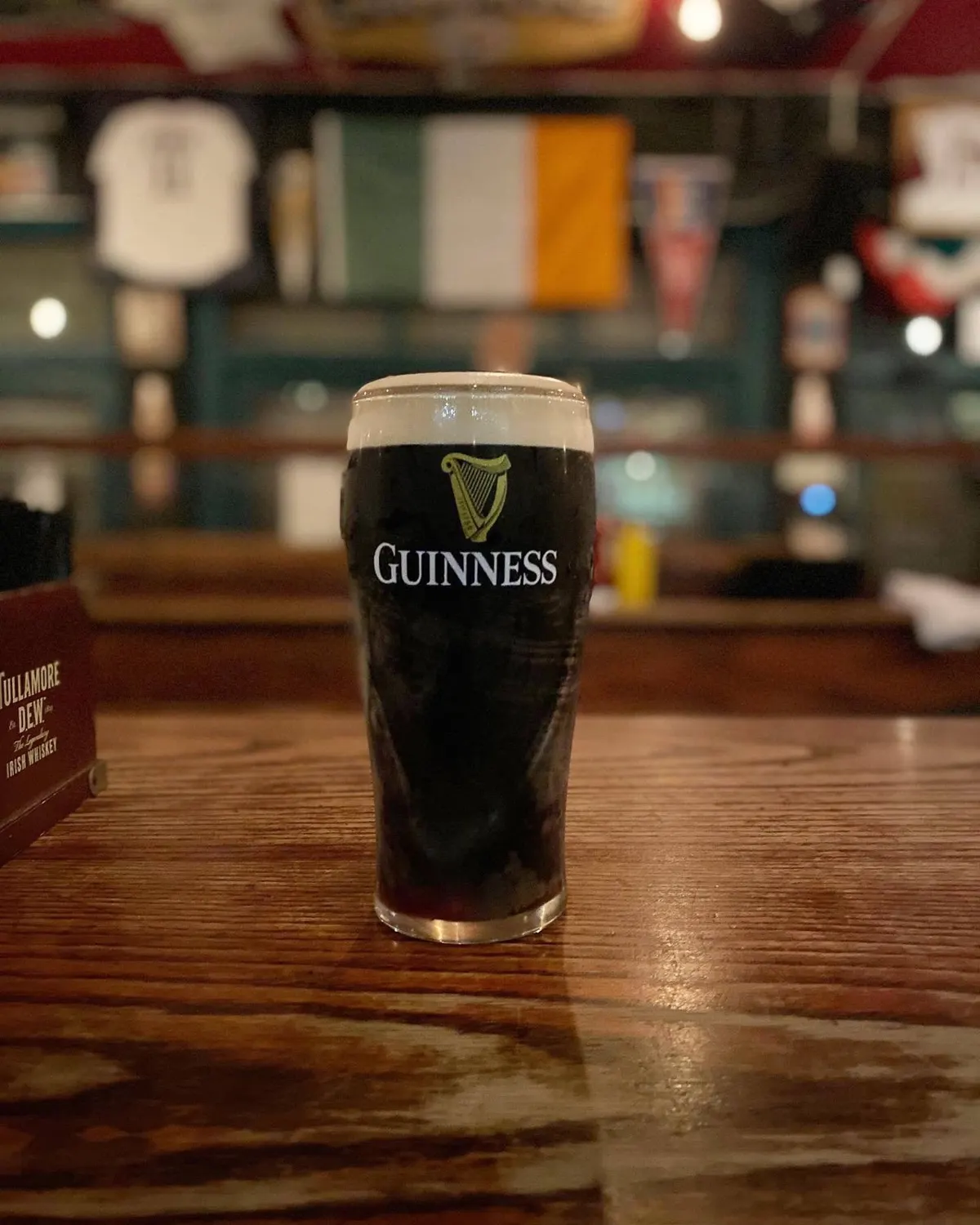
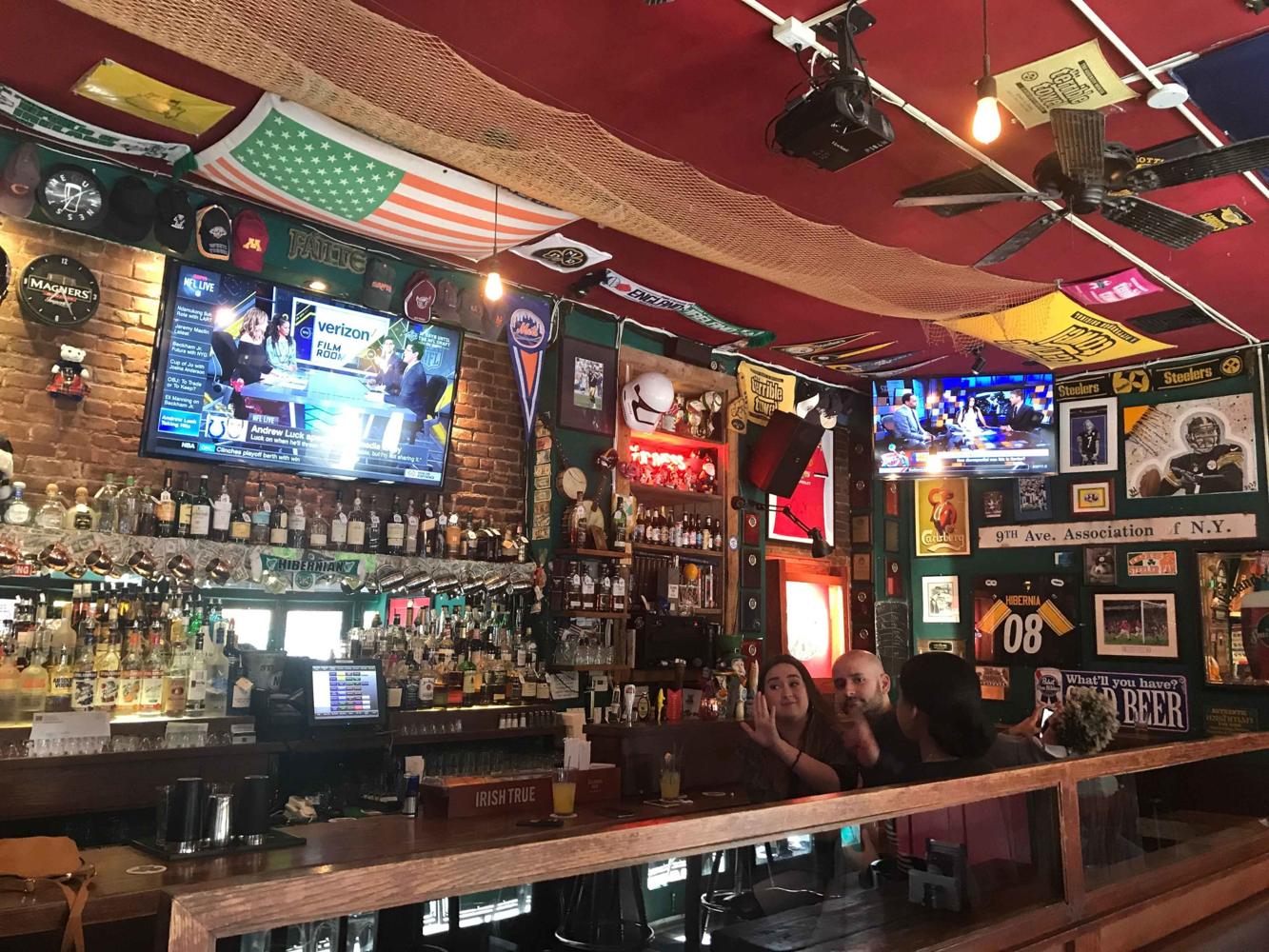
New York has never struggled to fill a calendar. On any given night, the city offers too much, not too little: openings in Chelsea, jazz downtown, standing reservations in the West Village, sports bars packed shoulder to shoulder in Midtown, and neighborhood spots in Brooklyn that feel more alive at 11 p.m. Than most cities do at noon. Yet the nights people remember are rarely built by choice overload alone. They tend to hinge on something more specific, a setting with energy, timing, and a reason for everyone to lean in at once. That is where well-designed bar events earn their reputation.
A strong bar event does not simply entertain. It creates a shared frame. Suddenly the room is not just a place to get a drink, it is a place where something is happening. A back room tasting gives strangers an easy topic. A vinyl night changes the pace of service and conversation. A watch party turns a routine Thursday into a small civic ritual. In a city where attention is hard won, the best bar nights give people a story they can retell the next day without exaggeration.
For operators, hosts, and regulars who care about atmosphere, Bar NYC culture offers a useful lesson: memorable nights are usually built on details that seem modest when viewed one at a time. Lighting that flatters instead of glares. Music mixed for the room rather than against it. Staff who know when to guide and when to let the crowd create its own momentum. Drinks that match Bar NYC the theme without becoming a gimmick. The alchemy is practical, not mystical.
What makes a bar event worth remembering
The difference between a good night and a forgettable one often comes down to tension, release, and participation. That sounds theatrical, but in a bar setting it is usually simple. There is anticipation before the featured moment, whether that is the first pour at a whiskey tasting or the opening song of a live set. There is release when the room collectively arrives, glasses raised, phones briefly forgotten, conversations synchronized. There is participation when guests feel they are part of the evening rather than just present for it.
The strongest events also understand the city around them. New Yorkers are used to paying for quality, but they are equally sensitive to wasted time, weak execution, and anything that feels imported from a generic playbook. A bar can charge premium prices if the experience feels genuinely considered. It will lose the room quickly if the event looks better on social media than it does in person.
That point matters because the market for nightlife in New York is crowded in every sense of the word. A packed room does not always signal success. Sometimes it means the floor plan is wrong, service is breaking down, or the event has attracted a crowd that is there for volume rather than atmosphere. People may post about that night, but they will not necessarily come back. Memorable bars know the difference between buzz and loyalty.
The events that reliably change the mood of a room
Some formats work again and again because they solve a basic problem of urban nightlife: they give people a reason to gather without forcing interaction. In my experience, a handful of event types consistently perform well across neighborhoods, price points, and crowd ages.
-
Tastings with a point of view
A focused tasting, mezcal, amaro, grower Champagne, New York craft beer, works best when it feels curated rather than encyclopedic. Four pours and a host with real knowledge will outperform a sprawling menu every time. -
Live music scaled to the room
The keyword is scaled. A trio in a narrow East Village bar can feel electric. A five-piece band shoved into the same footprint can turn conversation into strain and service into chaos. -
Watch parties with real stakes
Championship games, major fights, awards shows, drag finales, and certain season premieres still create communal energy. The trick is to commit. If the bar is doing a watch party, the sound, screens, staffing, and specials all need to support it. -
Theme nights that respect adult taste
Themed events fail when they become costume pressure and sugary drinks. They succeed when they nod to a mood, a decade, a neighborhood, or a subculture with enough sophistication that guests can participate at their own comfort level. -
Pop-ups and guest shifts
Visiting bartenders, kitchen takeovers, spirit collaborations, and one-night-only menus create urgency. In a city saturated with options, scarcity still works, especially when the guest talent brings its own following.
Those formats endure because they give a room shape. They let guests decide how deeply to engage. Someone can chat near the back during a jazz set, focus on the tasting notes at the bar, or become fully invested in a playoff game. That flexibility matters in New York, where groups often arrive with mixed agendas and different tolerances for noise, cost, and spontaneity.
Why tastings punch above their weight
Among all event formats, tastings may be the most underrated. They sound niche, even a little Hibernia Bar Bar NYC serious, but in practice they can unlock exactly the kind of intimacy many city bars struggle to create. A guided tasting slows people down. It encourages them to notice texture, aroma, sequence, and contrast. Even guests who know very little about spirits or wine often enjoy the feeling of being briefly coached into paying closer attention.
The format also suits New York economics. You do not need a huge footprint to host a strong tasting. A dozen seats around a communal table, one knowledgeable presenter, and a menu built with care can generate both revenue and loyalty. The bar gains a reputation for discernment. The guest leaves with more than a tab.
The caveat is that tastings can become stiff if the host mistakes information for hospitality. No one needs a lecture while balancing stemware in a crowded room. The best presenters read the table. They know when to tell the story of a distillery and when to let a surprising pour do the work. They leave space for comparison, disagreement, and the occasional guest who just likes what tastes good and does not care to decode esters.
I have seen bars make another smart move here: pairing small bites that are substantial enough to change the palate but restrained enough not to become dinner service by stealth. A clean wedge of aged cheese, spiced nuts, thin slices of cured meat, or a citrus-marinated olive can sharpen the whole event. It also helps justify the ticket price without leaning on branded swag or forced upselling.
Music nights succeed when they respect the room
Live music is one of the oldest reasons people gather in bars, but it remains easy to mishandle. New York patrons are not shy about voting with their feet when a set is too loud, too long, or badly matched to the venue. A room with low ceilings, reflective surfaces, and a crowd trying to talk through the performance can make excellent musicians sound punishing. On the other hand, the right act in the right room can produce the kind of atmosphere that feels almost accidental in its perfection.
Smaller venues often have an advantage. A singer with a warm, controlled voice and a guitarist who understands dynamics can create a more memorable night than a full band chasing volume. Jazz works especially well when the bar embraces the listening room mentality without becoming precious about it. Soul, funk, bossa nova, stripped-back indie, and vinyl-led DJ sets also have a natural place in city bars because they deepen the room rather than flatten it.
There is a practical lesson for hosts and owners here. If you book music to increase traffic, think about what happens after the first wave arrives. Can staff still move? Can guests order without shouting? Is there enough seating for those who planned ahead and enough standing space for those who did not? Have you priced the menu for a crowd that may linger longer over fewer rounds? A music night is not just an entertainment decision, it is an operations decision.
Watch parties are more powerful than many upscale bars admit
Some operators avoid sports and televised events because they worry the format cheapens the brand. That concern is understandable, but it misses how communal viewing works in a city defined by fragmented schedules and tiny apartments. Not everyone has a comfortable place to host a group of friends for a title fight, an international soccer match, or a season-defining Knicks game. A bar that stages the evening well can become the natural gathering point.
The best watch parties share several traits. The sightlines are clean. The sound is intentional. Staff know the event matters and pace service accordingly. The menu either speeds up, with easier-to-execute items and efficient batching, or it offers preplanned packages that reduce bottlenecks. Too many bars treat a major game as normal service plus louder televisions. That is how tabs get delayed, tempers rise, and guests decide they would rather watch from home next time.
There is also a cultural angle. Certain events attract micro-communities that give a bar identity. A Formula 1 morning crowd, a women’s soccer following, a loyal boxing audience, a Eurovision watch party, a neighborhood crowd that shows up for the Oscars, each can become a recurring base if treated with consistency and respect. In a competitive Bar NYC landscape, that kind of recurring affinity matters more than one giant night of sales.
Themed nights work when they are intelligent, not loud
Theme nights have a deservedly mixed reputation. People hear the phrase and picture neon cocktails, obvious playlists, and decor bought in panic that morning. But a well-built themed event can be one of the most effective tools in a bar’s calendar because it gives the night a frame without requiring a massive production budget.
The crucial distinction is whether the theme has taste. A 1970s Italian aperitivo evening with bitter cocktails, vinyl, and small plates can feel elegant and transportive. A neighborhood history night anchored by local stories and classic recipes can bring in regulars who rarely attend ticketed events. A film-inspired cocktail menu paired with subtle visual cues can be charming. A full-throttle gimmick with no restraint usually burns hot for one night and leaves little behind.
Guests also appreciate choice. Not everyone wants to dress up, perform, or post. The smartest theme nights allow light participation. If a guest wants to come in full style, they can. If another wants to stop in after work and just order the special Negroni riff, they should still feel welcome. New York bars that understand this tend to build broader audiences and more durable reputations.
Pop-ups and guest shifts create useful urgency
Scarcity, when genuine, still cuts through the noise. That is why pop-ups and guest shifts continue to matter, especially in a city where many patrons follow bartenders, chefs, and brands as much as they follow venues. A one-night collaboration can pull in people who have not visited before, then convert a percentage of them into regulars if the house experience is strong enough.
Guest shifts work best when the visiting talent is allowed to bring a clear point of view without overwhelming the host venue. Three or four cocktails are usually enough. More than that, and the menu becomes confusing, prep balloons, and execution slips. Kitchen pop-ups follow a similar rule. A concise offering served well beats a sprawling menu assembled under pressure.
There is a trade-off, though. Some pop-ups attract audiences loyal to the guest rather than the space. The room fills, social posts spike, and then the traffic disappears. That does not make the event a failure, but it does mean the host should treat it as both a brand exercise and a conversion opportunity. Staff introductions, future event teasers, and a house cocktail special that reflects the venue’s identity can help bridge that gap.
The practical anatomy of a night people talk about afterward
People often describe memorable nights in emotional terms, and that is fair, but from the operator’s side the mechanics are surprisingly concrete. A room becomes magical because someone sweated details at 4 p.m. Here is the short version of what usually matters most:
-
Arrival should feel easy
Long waits with no information sour the mood before the first drink lands. -
Sound needs discipline
Guests will forgive many things before they forgive audio that forces every sentence into a shout. -
The menu should narrow choices, not expand them
On event nights, fewer strong options outperform sprawling menus. -
Staff need a clear event brief
If servers, bartenders, and hosts give different answers, the room feels shaky. -
There should be one memorable touch
It might be a welcome pour, a printed tasting card, a ritual toast, or a final song. Small anchors matter.
None of this is glamorous, but it is the difference between momentum and friction. The room feels smoother when guests sense that the event has been designed for actual human behavior instead of an imagined ideal customer. That includes planning for lateness, groups splitting checks imperfectly, first dates who want a quieter corner, and regulars who stop by without a reservation hoping to catch the tail end.
Neighborhood matters more than trend forecasts
A Lower East Side bar can carry a looser, more kinetic event structure than a polished Flatiron lounge. A Brooklyn wine bar may thrive with educational tastings and chef residencies. A Midtown venue often needs sharper timing because the crowd can skew post-work, pre-commute, or convention-driven. The mistake is copying a format that worked elsewhere without adjusting for geography, rent pressure, transit habits, and local expectations.
That is one reason broad nightlife trend pieces often miss the mark. They flatten the city into a single consumer. In reality, New York behaves like a patchwork of micro-markets. An event that feels underprogrammed in one neighborhood may feel perfectly restrained in another. A no-reservations policy can create buzz in one context and chaos in another. Even start times matter. Downtown guests may happily arrive at 9 p.m. For the main event. In parts of Brooklyn or uptown, an earlier start can attract a more diverse crowd and stronger beverage sales.
For anyone building a recurring series, this is where judgment comes in. Look at who already trusts the room. Listen to what they ask for unprompted. Notice when the bar naturally peaks and when it lulls. The most successful event calendars usually grow from a venue’s existing strengths rather than trying to overwrite them.
Guests remember how a night felt, not just what happened
Memory in hospitality is emotional and sensory before it is factual. Guests may forget the exact vintage, set list, or final score. They remember whether the room felt electric or strained. They remember whether a bartender made them feel included when they were not experts. They remember a moment when the crowd unified, laughing at the same line, cheering the same play, going quiet for the same note.
That is why events matter even in an era of endless entertainment options. A playlist at home can be perfect. Delivery can be excellent. Streaming can be more comfortable than a packed room. But comfort is not the same as occasion. Bars still have the advantage of shared atmosphere, and when they use it well, an ordinary night becomes something with edges, shape, and emotional residue.
The best Bar NYC events do not chase memory by trying too hard to be legendary. They focus on craft, timing, and generosity. They give the evening a center. They offer enough structure to pull people together and enough freedom for the night to develop its own personality. That is usually what turns a spontaneous meet-up into the story people keep retelling, the one that starts with a simple plan for one drink and somehow ends with everyone lingering near the door, reluctant to let the night break apart.
In a city crowded with places to go, that kind of reluctance is the clearest sign of success. It means the event did more than fill seats. It gave people a few hours that felt distinct from the blur around them. And in New York, where ordinary nights disappear quickly, that is no small achievement.
Hibernia Bar
401 W 50th St
New York, NY 10019
(212) 969-9703
FAQ About Bar NYC
What is there to do in Hell's Kitchen, NYC?
Explore the restaurants and bars along Ninth Avenue, catch a Broadway show nearby, or visit the Intrepid Museum on the Hudson River. Hibernia Bar is at West 50th Street and Ninth Avenue, a convenient stop before or after a show.
What are some bars in New York City that serve good food?
Hibernia Bar in Hell's Kitchen serves wings, burgers, fish and chips, and shepherd's pie. Its kitchen lists a 2 a.m. closing time, which makes it an option for dinner after a show or a game.
How far is Hell's Kitchen from Times Square?
Hell's Kitchen is just west of Times Square. From Broadway and West 45th Street, Hibernia Bar is roughly 0.6 miles away, or about a 12-minute walk depending on crowds.